Phone:
(701)814-6992
Physical address:
6296 Donnelly Plaza
Ratkeville, Bahamas.

Phone:
(701)814-6992
Physical address:
6296 Donnelly Plaza
Ratkeville, Bahamas.

In a world where the only thing greener than your thumb should be your garden, organic gardening supplies are the secret sauce to turning your backyard into a lush paradise. Forget the chemical-laden fertilizers that sound like they belong in a science experiment. It’s time to embrace the natural way, where worms are your allies and compost is your best friend.
Organic gardening isn’t just a trend; it’s a lifestyle choice that benefits both the planet and your palate. With the right supplies, anyone can cultivate a thriving garden that not only looks good but tastes even better. So grab your spade and get ready to dig into a world where gardening is both fun and eco-friendly. After all, who wouldn’t want to grow their own veggies while channeling their inner Garden Gnome?
Organic gardening supplies consist of materials and tools that support sustainable gardening practices. These supplies encompass a variety of items designed to enhance soil health, promote plant growth, and protect the environment. Organic fertilizers, such as compost and manure, provide essential nutrients without harmful chemicals. These natural amendments encourage a thriving ecosystem in the garden.
Seeds labeled as organic come from plants grown without synthetic pesticides or herbicides. Choosing organic seeds ensures a healthy start for crops, enabling them to grow robust and resilient. Additionally, pest control products use natural ingredients, which reduce adverse effects on beneficial insects. Products including neem oil and insecticidal soap offer effective alternatives to traditional pesticides.
Mulches, derived from natural materials like straw or wood chips, significantly improve soil moisture retention. Incorporating mulch into the garden also suppresses weeds, allowing plants to flourish. Gardening tools made from sustainable materials, like bamboo or recycled metals, enhance the efficiency of gardening tasks while minimizing environmental impact.
Planting covers, such as row covers or shade cloths, protect plants from extreme weather and pests. Their use can optimize growing conditions and extend the growing season. Organic gardening supplies embrace various natural remedies and products that foster a healthy and vibrant garden.
Accessing these supplies supports the overall health of the environment and contributes to the production of nutritious food. Emphasizing quality and sustainability ensures that every garden becomes not just a source of food but also a space that nurtures ecological balance.
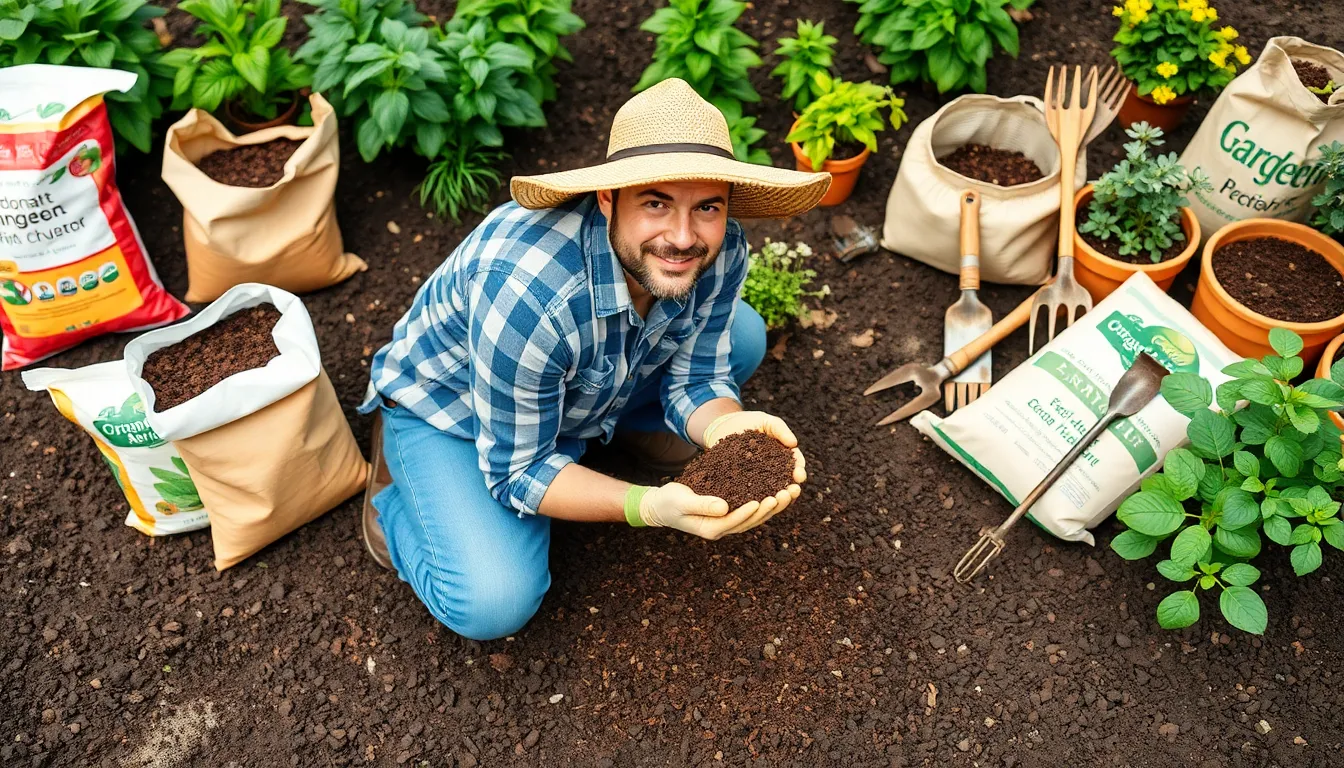
Organic gardening supplies come in various forms and serve distinct purposes. Understanding these types helps gardeners make informed choices for healthier gardens.
Soil amendments improve soil structure and fertility. Use compost to enhance nutrient content and water retention. Mulch offers insulation and suppresses weeds, while organic matter boosts microbial activity. Add peat moss to improve moisture levels in sandy soils. Green manures such as clover increase nitrogen levels when tilled back into the soil.
Organic fertilizers provide essential nutrients without synthetic chemicals. Manure serves as a nutrient-rich option, while bone meal supplies phosphorus for root development. Fish emulsion adds fast-acting nitrogen, aiding growth. Kelp extracts enhance plant resilience and nutrient absorption. These fertilizers support overall plant health and improve soil quality.
Natural pest control products help maintain a balanced ecosystem. Neem oil acts as a powerful repellent against various pests. Insecticidal soaps target soft-bodied insects, making them an effective choice for organic gardeners. Diatomaceous earth safely controls crawling insects. Companion planting encourages beneficial insects to deter pests. These products offer alternatives to chemical measures, promoting a thriving garden environment.
Utilizing organic gardening supplies offers numerous advantages that enhance soil health and food quality. Improved soil structure occurs when compost and mulch are used, promoting a robust ecosystem. Enhanced nutrient retention helps plants thrive without relying on synthetic chemicals.
Higher biodiversity emerges through natural pest control methods, such as neem oil and insecticidal soaps. Maintaining a balanced ecosystem becomes easier, resulting in healthier plants and reduced pest populations. Encouraging beneficial insects allows gardens to flourish.
Reduced environmental impact is another key benefit of choosing organic supplies. Chemicals from conventional products often leach into waterways, harming aquatic life. Organic practices protect local ecosystems, contributing to overall environmental sustainability.
Healthier produce results from using organic fertilizers, which supply essential nutrients without harmful residues. Homegrown fruits and vegetables become tastier and more nutritious, providing better options for families. Growing without toxins supports a healthier lifestyle.
Cost-effectiveness develops over time as organic methods often lead to reduced long-term expenses. Investing in quality organic supplies sets the foundation for thriving gardens. Fewer chemicals mean lower chances of soil degradation, ensuring productive gardening for years to come.
Emphasis on sustainable practices promotes self-sufficiency for gardeners. Organic gardening encourages individuals to take charge of their food sources. A commitment to using organic supplies fosters a deeper connection to both the garden and the environment.
Selecting appropriate organic gardening supplies requires careful consideration of specific needs. Analyze soil conditions to determine necessary amendments. Fertilizers like compost or manure can enhance nutrient availability without harmful chemicals. Focus on organic seeds, ensuring they adapt well to local climates and growing conditions.
Evaluate pest control options that align with sustainable practices. Natural methods like neem oil offer effective solutions while protecting beneficial insects. Explore mulches made from natural materials, as they conserve moisture and suppress weeds. Identify sustainable tools that reduce environmental impact, such as hand tools crafted from recycled materials.
Prioritize local resources when possible to support community sustainability. Check for certifications on products to guarantee organic compliance. Review packaging for information on ingredients, avoiding those with synthetic additives. Connect with local gardening groups for recommendations and insights on trusted suppliers.
Consider the balance between cost and quality. Investing in higher-quality organic supplies often leads to better long-term results. Recognize that starting with essential tools and gradually expanding the supply list can be a practical approach. Ultimately, informed choices create thriving, eco-friendly gardens that benefit both the gardener and the environment.
Embracing organic gardening supplies is a transformative step towards a sustainable lifestyle. By opting for natural materials and tools, gardeners not only enhance their own gardens but also contribute to the health of the planet. The right organic supplies foster soil vitality and promote biodiversity while ensuring that homegrown produce is nutritious and flavorful.
Making informed choices about soil amendments, fertilizers, and pest control methods empowers gardeners to create thriving ecosystems. Investing in quality organic supplies pays off in the long run, leading to healthier plants and reduced environmental impact. As more individuals turn to organic gardening, the collective effort fosters a greener future for everyone.