Phone:
(701)814-6992
Physical address:
6296 Donnelly Plaza
Ratkeville, Bahamas.
Phone:
(701)814-6992
Physical address:
6296 Donnelly Plaza
Ratkeville, Bahamas.

Landscaping isn’t just about planting flowers and trimming hedges; it’s also about creating boundaries that make your garden pop. Enter garden edging—the unsung hero of outdoor design. Think of it as the stylish belt that holds your outfit together, only in this case, it’s keeping your mulch from mingling with your lawn.
Landscape edging plays a vital role in defining spaces within gardens and yards. It not only enhances visual appeal but also contributes to the overall health of plants and soil.
Maintaining clear boundaries can prevent soil erosion and weed encroachment. Effective edging keeps mulch in place, minimizing maintenance time and effort. Landscaping materials also receive a professional look, enhancing property value. Protecting garden beds from lawnmowers or foot traffic contributes to plant health and overall aesthetics. Edging aids in water retention by creating a defined border, allowing efficient irrigation.
Various options are available for effective landscape edging. Metal edging offers durability, resisting rust and wear over time. Wood borders provide a natural appearance, but require regular maintenance to prevent decay. Stone or brick edging delivers a classic look, ensuring lasting results while resisting weather elements. Plastic edging serves as an affordable alternative, ideal for creating sharp, clean lines. Concrete curbing stands out for its permanence and customizable shapes, enhancing creativity in landscaping design.
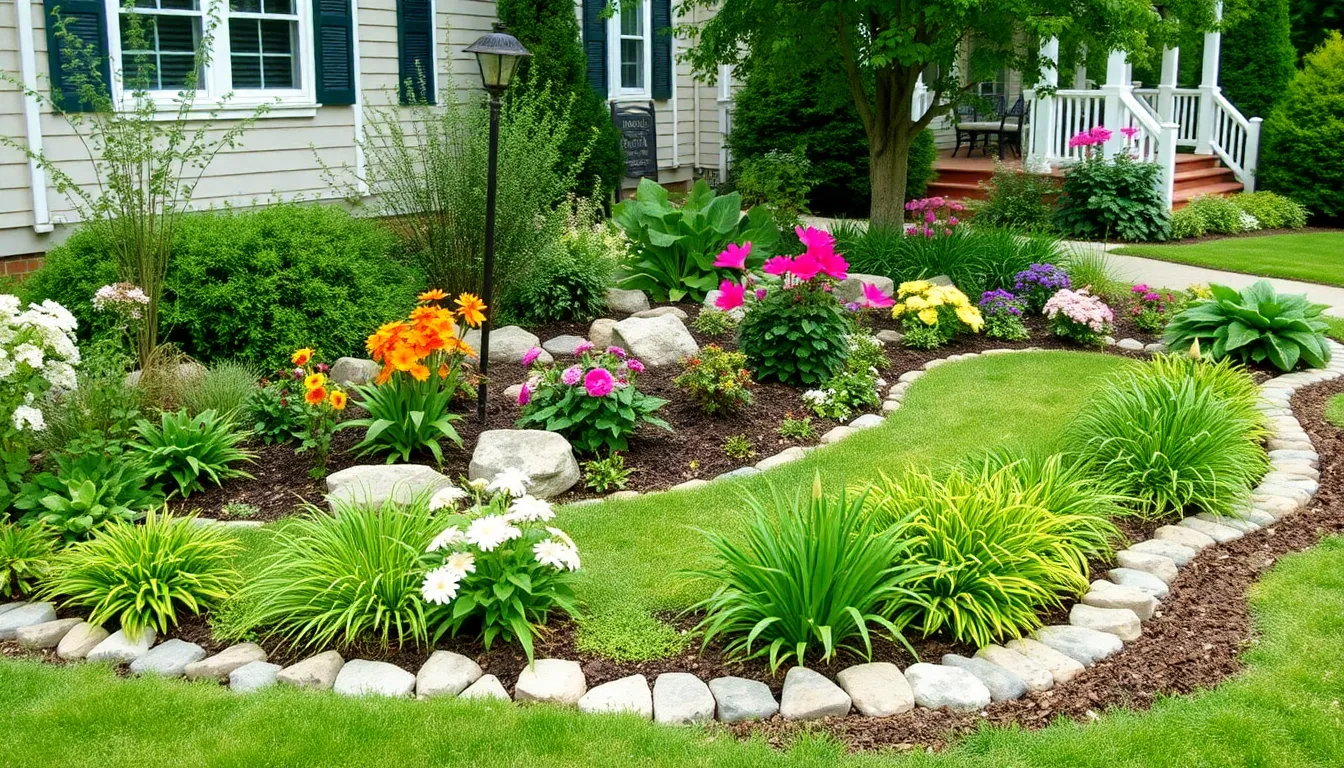
Various materials serve as effective options for edging in landscaping. Each type offers distinct characteristics, making them suitable for different aesthetic and functional needs.
Natural stone edging provides durability and a timeless aesthetic. This material adapts well to various landscapes, from rustic gardens to formal settings. Stone retains its structure over time, resisting weathering and decay. Utilizing local stone can enhance the natural look of a garden, while unique shapes create visual interest. Maintenance involves minimal effort, as stone requires occasional cleaning but doesn’t need frequent replacement.
Metal edging, often made from aluminum or steel, offers a sleek and modern look. This option effectively defines borders while withstanding the elements. Metal lasts longer than many other materials, thanks to its resistance to rust and corrosion. Installing metal edging can create clean lines that separate different garden areas. Choose painted or galvanized variations to match the design, adding a contemporary touch to the landscape.
Plastic edging represents an affordable choice for budget-conscious homeowners. Lightweight and easy to install, this material fits various garden shapes and sizes. Different colors and styles allow homeowners to customize their landscape. However, plastic may not provide the same long-lasting durability as stone or metal. It typically requires replacement every few years due to wear from weather conditions.
Wood edging offers a natural, organic look ideal for creating a warm atmosphere. Various wood types, such as cedar or redwood, resist decay and pests, enhancing longevity. This material fits well with traditional gardens, blending seamlessly with surrounding plants. Installation involves stacking logs or boards to form borders, providing a straightforward solution. Regular maintenance, such as sealing and treating, ensures that wood stays attractive and functional over time.
Selecting the right edging can significantly influence a landscape’s appeal and functionality. Various factors play a role in this decision, affecting both aesthetics and maintenance.
Material durability is essential when choosing edging. Some materials withstand weather more effectively than others. Maintenance requirements differ among options, so consider how much time and effort each material might demand. Local climate conditions can also impact the longevity of certain edging types. Additionally, budget constraints dictate available choices; some materials are more expensive upfront but may save money over time through durability. Lastly, the intended use of the space—whether decorative or functional—must inform the selection process.
Aesthetic preference sets the tone for a landscape. Natural stone provides a rustic charm, blending seamlessly with organic elements. Concrete curbing offers a modern and clean look that suits minimalistic designs. Regarding wood, its warmth complements traditional settings, enhancing outdoor coziness. Metal edging contributes a sleek, industrial vibe, working well in contemporary gardens. Plastic options allow for a range of colors and styles, providing versatility at a lower cost. Balancing these aesthetic qualities against practical needs ensures the chosen edging enhances overall landscaping appeal.
Installing landscape edging requires careful planning and execution for optimal results. Following key steps ensures effective boundaries that enhance the outdoor design.
Start by assessing the garden layout for functionality and aesthetics. Measure the areas where edging is desired, ensuring accurate dimensions. Choose suitable materials so they align with the landscape style. Clear the selected areas of debris and grass to create a clean installation site. Use stakes and twine to outline the edging layout, helping visualize the final look. Adjust the outline as needed, refining shapes for better flow within the landscape. Dig a trench deep enough to accommodate the edging material, typically about 4 to 6 inches. Finally, ensure the ground is level so that the edging sits evenly and firmly.
Regular maintenance enhances the longevity and appearance of landscape edging. Inspect the edging periodically for any signs of damage or wear. Keep the surrounding area clear of debris to prevent weed growth and minimize maintenance time. Replenish mulch or soil around the edges as needed to maintain a neat appearance. Clean metal or stone materials occasionally to preserve their aesthetic appeal. In regions with harsh weather, reinforce the edging after significant seasonal changes to prevent shifting. Plan for occasional repairs, especially with wooden and plastic materials, to extend their lifespan.
Evaluating the pros and cons of edging materials is essential for making informed decisions. Natural stone edging offers durability and a timeless aesthetic, making it suitable for many landscapes. The downside includes its higher cost and potential for uneven surfaces if not installed properly.
Metal edging, often made from aluminum or steel, provides a sleek, modern look that enhances any garden design. Flexibility and durability are among its strengths. However, exposure to moisture may lead to rust over time, affecting longevity.
Plastic edging stands out for its affordability and lightweight nature. It suits various garden styles well, allowing ease of installation. Despite this, its susceptibility to warping and fading limits long-term effectiveness, necessitating more frequent replacement.
Wood edging brings an organic feel that complements traditional gardens beautifully. That’s appealing for homeowners seeking a natural look. Maintenance can be demanding, as wood may rot or attract pests if not treated regularly.
Concrete curbing delivers a permanent solution that withstands various weather conditions. Its sturdiness ensures long-lasting boundaries. On the other hand, installation may require professional assistance due to the complexity of pouring concrete, leading to increased costs.
Choosing the right edging material relies on weighing these attributes against project requirements. Cost effectiveness, durability, and aesthetic appeal should guide the selection process. Assessing all options helps in achieving functional and visually appealing garden designs.
Selecting the right edging for landscaping is key to creating a beautiful and functional outdoor space. With various materials available each offering distinct advantages it’s essential to consider factors like durability maintenance and aesthetic appeal. Whether opting for the timeless elegance of natural stone or the modern look of metal edging the choice should align with the overall design vision.
Proper installation and regular maintenance further enhance the longevity and effectiveness of the chosen edging. By investing time in these aspects homeowners can enjoy a well-defined landscape that adds value and charm to their property. Ultimately the right edging not only enhances visual appeal but also supports the health and organization of the garden.