Phone:
(701)814-6992
Physical address:
6296 Donnelly Plaza
Ratkeville, Bahamas.

Phone:
(701)814-6992
Physical address:
6296 Donnelly Plaza
Ratkeville, Bahamas.

Ever wondered how your favorite fruits and veggies come to life? Plant breeding is the secret sauce behind that delicious apple or the perfect tomato. It’s like matchmaking for plants, where skilled breeders play Cupid, combining traits to create healthier, tastier, and more resilient crops.
Plant breeding involves selectively combining traits from different plants to create new varieties. Breeders focus on specific characteristics such as size, flavor, disease resistance, and growth habits. Through various techniques, they enhance desirable traits while minimizing less favorable ones.
Traditional breeding techniques include cross-pollination and selection. Cross-pollination allows breeders to combine genetic material from two parent plants. Selection involves choosing the best offspring for further breeding, ensuring the continuation of preferred traits.
Modern methods incorporate biotechnology and genetic engineering. Biotechnology enables the use of molecular markers for precise plant selection. Genetic engineering allows for the introduction of specific genes from one organism into another, creating plants with enhanced traits like drought tolerance or pest resistance.
For example, breeders have developed apples that resist browning, increasing their shelf life. They also created tomatoes with improved taste and nutrition, directly appealing to consumer preferences. Both examples illustrate how plant breeding enhances food quality and sustainability.
Plant breeding serves vital roles in agriculture. It supports food security by increasing yield and resilience against environmental challenges. As global populations grow, the demand for innovative breeding techniques continues to rise.
Ultimately, plant breeding shapes the future of agriculture. Increased understanding of plant genetics and technology will lead to continued advancements. Improved varieties promise healthier, tastier, and more resilient produce for everyone.
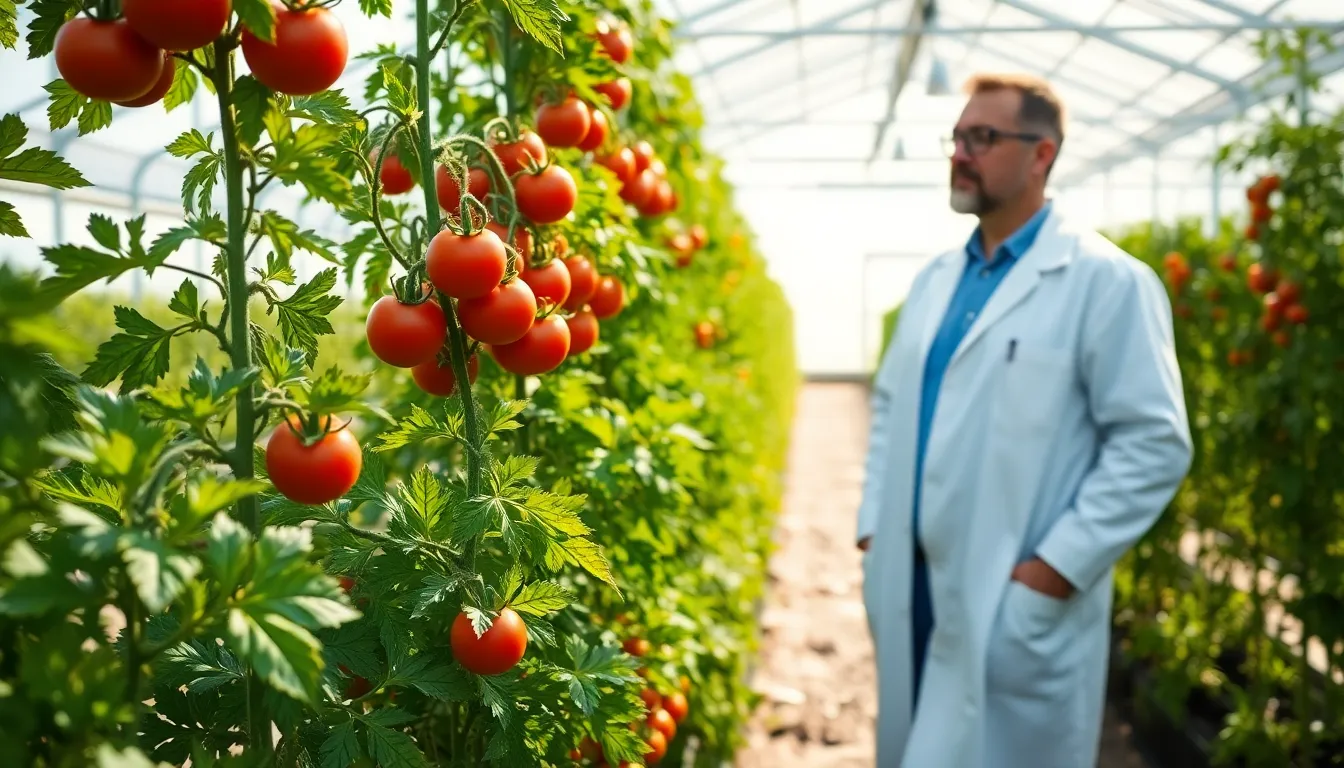
Plant breeding significantly impacts agriculture and food production. It enhances crop yield and improves disease resistance, crucial for meeting global food needs.
Increasing crop yield represents a primary goal of plant breeding. Breeders create varieties that produce more fruit or grain per plant, thereby maximizing harvest potential. Techniques such as selective breeding and hybridization help develop high-yielding varieties. Notably, some rice strains yield 30% more than traditional types. Additionally, optimizing growth conditions through breeding leads to plants that thrive in diverse environments. Improved yield directly supports food supply and economic stability for farmers.
Breeding plants for disease resistance helps safeguard crops from pathogens. Disease-resistant varieties can minimize pesticide use, promoting environmentally friendly practices. Research indicates that resistant tomato varieties can reduce losses by up to 50%. Furthermore, breeding efforts target specific diseases, like blight in potatoes, ensuring food security. Resistant plants not only survive better under stress but also offer higher quality produce to consumers. By prioritizing disease resistance, plant breeding strengthens the resilience of agricultural systems.
Plant breeding employs various techniques to enhance plant characteristics for agriculture and food production. Breeders utilize traditional and modern methods to achieve improved crop traits.
Traditional breeding techniques focus on selection and cross-pollination to develop new varieties. Selective breeding involves choosing parent plants with desirable traits, such as size and flavor, to produce offspring with those characteristics. Cross-pollination combines genetic material from different plants, resulting in hybrid offspring that can express new traits. These approaches promote genetic diversity and can take several generations to stabilize desired traits. For instance, breeders developed many vegetable cultivars through these methods over decades, enhancing both quality and yield.
Modern techniques in plant breeding incorporate biotechnology and genetic engineering to create new plant varieties more efficiently. Molecular markers play a crucial role in identifying desirable traits at the DNA level, allowing for precise selections. Techniques such as CRISPR gene editing enable targeted modifications, improving traits like drought tolerance and disease resistance. Breeders also use tissue culture to propagate plants in controlled environments. Such advancements lead to faster breeding cycles, ultimately producing resilient crops that meet growing agricultural demands. For example, researchers have produced varieties of apples that resist browning and tomatoes with enhanced nutritional profiles.
Plant breeding faces multiple challenges that can complicate the process of developing new varieties. Environmental factors significantly impact breeding decisions. Breeders must consider varying climates, soil types, and weather conditions when selecting traits that ensure crop resilience. Pests and diseases further complicate breeding efforts, as new threats emerge, requiring the continuous development of disease-resistant varieties.
Regulatory hurdles also present obstacles in the field. Genetic modifications often face stringent regulations, slowing down the approval process for new plant varieties. Each region may have different regulatory requirements, complicating the introduction of improved crops globally. Market acceptance poses another challenge, as consumers might resist genetically modified organisms (GMOs), limiting the adoption of new technologies.
Time constraints impact plant breeding significantly. Breeding cycles can span several years, delaying the introduction of new varieties to the market. Breeders may prioritize high-yielding varieties, yet achieving this goal takes substantial time and resources. Financial limitations can hinder research and development, restricting breeders from pursuing innovative breeding techniques.
Collaboration between breeders, researchers, and farmers plays a crucial role in overcoming these challenges. These partnerships facilitate knowledge sharing and resource allocation, ultimately enhancing breeding programs. Education on biotechnology and its benefits can also help alleviate consumer concerns.
Despite these challenges, the importance of plant breeding in addressing food security remains paramount. Ongoing research, investment in new technologies, and collaboration brings promise for developing resilient crops that support farmers and provide for growing populations.
Advancements in plant breeding promise to revolutionize agriculture. Scientists are incorporating cutting-edge technologies like CRISPR and molecular markers, enhancing precision in trait selection. Genetic engineering enables researchers to develop crops with specific desirable traits, such as improved resistance to climate change challenges.
Emerging trends focus on sustainability and resilience. Breeders prioritize creating varieties that require fewer resources while maintaining high yields. For instance, researchers are developing drought-tolerant wheat that can sustain production in water-scarce regions. These initiatives address pressing global food security concerns amidst a growing population.
Public acceptance plays a crucial role in the future of plant breeding. Regulatory frameworks around genetically modified organisms will evolve, guiding approvals and promoting transparency. Clear communication about safety and benefits can foster consumer trust, paving the way for widespread adoption of innovative crops.
Collaboration within the agricultural community enhances progress. Farmers, scientists, and industry partners work together to share insights and resources, ensuring alignment on priorities. Joint efforts facilitate the development of crops that meet the demands of diverse environments while promoting biodiversity.
International research projects further advance plant breeding objectives. Sharing knowledge across borders encourages the exchange of ideas and successful strategies. Global initiatives aim to tackle common agricultural challenges, providing localized solutions that enhance food production efficiently.
The future landscape of plant breeding holds great promise. Ongoing research and investment are critical for addressing food scarcity, environmental sustainability, and nutritional quality. With continued dedication, crop varieties can evolve to meet the ever-changing needs of the population, ensuring a stable food supply for generations to come.
Plant breeding plays a vital role in shaping the future of agriculture and food production. By combining traditional methods with innovative technologies, breeders are creating resilient crops that meet the demands of a growing population. The focus on sustainability and resource efficiency is crucial as climate challenges intensify.
Collaboration among scientists, farmers, and industry stakeholders will drive advancements and ensure that the benefits of plant breeding are shared widely. As the field evolves, public acceptance and regulatory frameworks will shape the path forward, making it essential to prioritize transparency and education.
With ongoing research and investment, plant breeding will continue to enhance food security and nutritional quality, providing a stable food supply for generations to come.