Phone:
(701)814-6992
Physical address:
6296 Donnelly Plaza
Ratkeville, Bahamas.

Phone:
(701)814-6992
Physical address:
6296 Donnelly Plaza
Ratkeville, Bahamas.

In a world where kale reigns supreme and tomatoes can weigh as much as a toddler, plant breeding and genetics have become the unsung heroes of our dinner plates. Imagine a realm where scientists play matchmaker for plants, creating hybrids that not only taste better but also resist pests like a champ. It’s like Tinder for flora, but with a lot more chlorophyll and less awkward small talk.
Plant breeding involves selecting parent plants for the desired traits, such as improved yield or disease resistance. Genetic principles underpin this selection, enabling scientists to understand inheritance patterns. By combining plant genetics with traditional breeding techniques, researchers create new varieties tailored for specific environments or purposes.
One common method of plant breeding is hybridization. This process involves crossing two different varieties to produce offspring with enhanced characteristics. Another approach, marker-assisted selection, uses molecular markers to identify plants with desirable traits more efficiently.
Breeding efforts often focus on improving traits like drought tolerance, which is vital as climate change affects crop resilience. Enhanced flavor profiles can also result from targeted breeding strategies, meeting consumer demand for high-quality produce.
Genetic modification is a more controversial approach but has made significant contributions. By directly altering the genetic material of plants, scientists can enhance traits rapidly and accurately. This technique has led to the development of genetically modified organisms (GMOs) that exhibit improved pest resistance and nutritional content.
The integration of genomics into plant breeding revolutionizes the field. Advanced genomic technologies allow for comprehensive analyses of plant genomes, speeding up the development of new varieties. Breeders equipped with this knowledge can respond quickly to emerging challenges in agriculture.
Collaboration between breeders, geneticists, and biotechnologists supports continuous innovation in the sector. These multidisciplinary teams work together to develop sustainable agricultural practices that ensure food security for future generations.
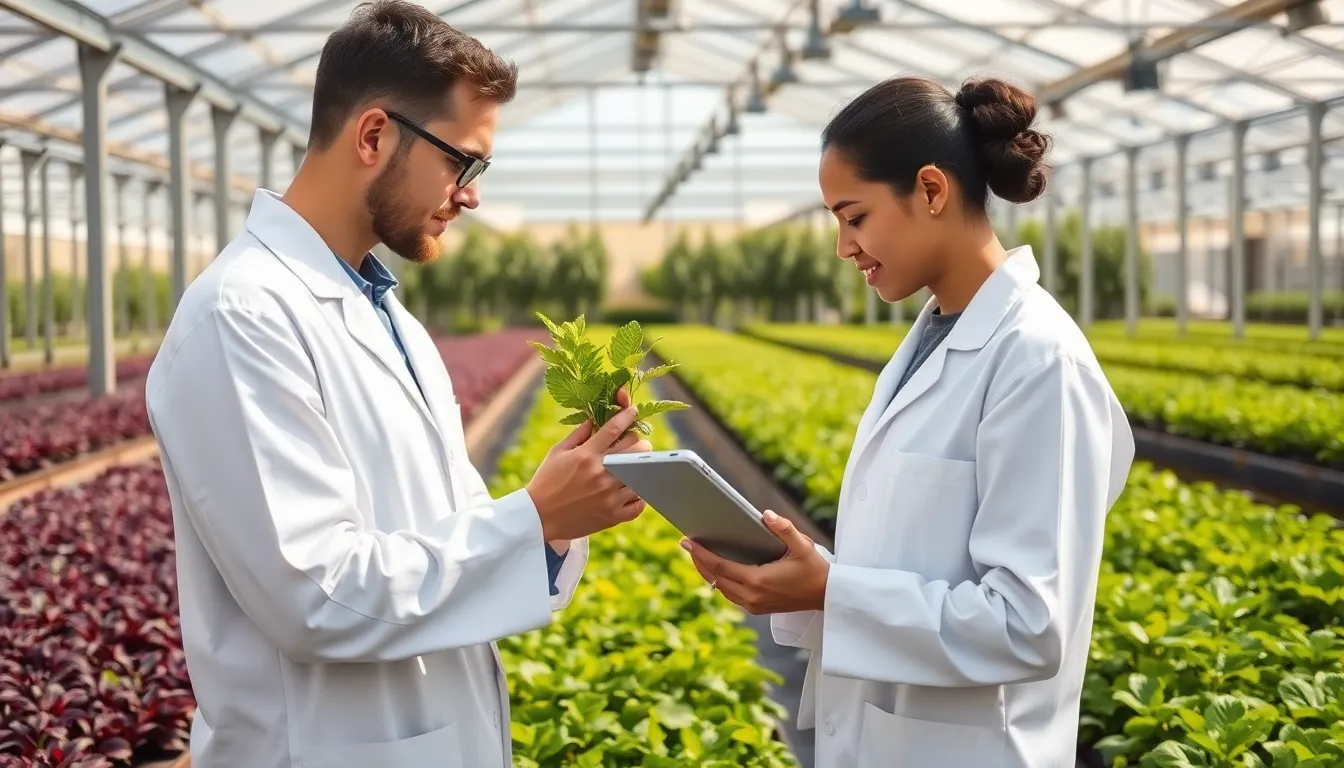
Plant breeding and genetics have evolved significantly, shaping modern agriculture and food production methods. This section explores early practices and advances in genetic techniques that have contributed to the field.
Early plant breeding practices date back thousands of years. Ancient civilizations cultivated crops by selecting seeds from the best plants for human consumption and use. Farmers in Mesopotamia and Egypt improved yields through selective cultivation, laying foundations for future advancements. They chose plants based on desirable traits, fostering varieties that enhanced productivity and resilience. These methods exemplified human ingenuity, aimed at meeting dietary needs and optimizing growth. Such practices set the stage for more systematic breeding approaches in later centuries.
Advancements in genetic techniques transformed plant breeding in the 20th century. The discovery of DNA’s structure in 1953 opened new avenues for understanding heredity. Molecular markers emerged, allowing breeders to identify desirable traits at a genomic level. Genetic engineering introduced tools like CRISPR, enabling precise modifications of plant genomes. These innovations expedited the development of crops with improved resistance to pests and environmental stressors. Marker-assisted selection has enhanced efficiency in identifying suitable parent plants, leading to faster results. Advances in genomics continue to support sustainable agriculture, promoting food security in a rapidly changing world.
Plant breeding employs various methods to enhance crop varieties. Understanding these techniques reveals their significance in agricultural advancement.
Traditional breeding techniques focus on selection and hybridization. Breeders select parent plants exhibiting desirable traits, such as high yield or disease resistance. Cross-pollination between different varieties creates hybrids with improved characteristics. This practice relies on natural reproductive processes and the genetic variation present in plants. Over time, these traditional methods have produced significant advancements in crop performance and adaptability. Varietal selection and selection pressure play crucial roles in achieving desired outcomes. For instance, early agricultural advancements stemmed from farmers choosing seeds from the best plants available.
Modern genetic engineering introduces precision into the breeding process. Techniques like genetic modification enable the direct alteration of plant DNA, enhancing specific traits quickly. Scientists utilize tools like CRISPR for targeted genome editing, achieving results unattainable through traditional methods. This technology can introduce pest resistance or improve nutritional content effectively. Rapid advancements in genomic analysis further streamline the identification of beneficial traits, facilitating marker-assisted breeding. By integrating these modern approaches, breeders can respond swiftly to emerging agricultural challenges, ensuring food security amid climate change. Innovative genetic solutions lead to the development of resilient crops suited for diverse environments.
Genetics plays a crucial role in plant breeding, guiding the selection and enhancement of desirable traits. Understanding how genetic variation contributes to plant improvement is essential for developing crops that thrive in diverse environments.
Genetic variation provides the foundation for plant breeding. It arises through mutations, recombinations, and environmental interactions, leading to diverse traits within plant populations. Breeders identify and exploit these variations to enhance characteristics such as yield, disease resistance, and drought tolerance. For instance, selecting plants that express favorable traits ensures the advancement of cultivars suited for changing climates. Furthermore, the discovery of specific genetic markers allows breeders to track these variations effectively, making the breeding process more efficient.
Tools for genetic analysis have revolutionized plant breeding practices. Molecular techniques, such as genome sequencing, enable researchers to dissect plant genomes at an unprecedented scale. Advanced tools like CRISPR facilitate precise genome editing, allowing targeted modifications without unintended changes. Marker-assisted selection empowers breeders to use genetic markers in selecting parent plants, accelerating the identification of desirable traits. With these tools, breeders can quickly respond to agricultural challenges, ensuring that crops are resilient and high-yielding. The integration of genomics into breeding programs leads to more sustainable farming practices and increased food security.
Plant breeding and genetics significantly enhance agricultural practices, resulting in improved crops and sustainable farming techniques. Various applications lead to numerous benefits within the agricultural sector.
Crop improvement focuses on developing varieties with superior characteristics. Breeders select parent plants with desirable traits like disease resistance and higher yields. Through hybridization and modern genetic engineering methods, crops now exhibit improved nutritional content and taste. Additionally, advancements such as CRISPR enable precise modifications, speeding up the selection of traits like drought tolerance and pest resistance. The combination of traditional breeding methods with modern genetics enhances the resilience of crops, directly addressing challenges posed by climate change and increasing food demands.
Sustainable agriculture practices derive substantial benefits from advanced plant breeding techniques. Improved crop varieties contribute to reduced pesticide use, as many new cultivars possess innate pest resistance. These practices support soil health by promoting rotations with diverse crops, which enhance nutrient balance and decrease disease prevalence. Furthermore, breeding programs aimed at developing resilient crops help farmers adapt to extreme weather conditions, ensuring consistent food production. Overall, the synergy between plant genetics and sustainable agriculture fosters a more reliable food supply while preserving the environment.
Plant breeding and genetics are vital components of modern agriculture. By harnessing the power of innovation and collaboration, they pave the way for sustainable food production. The advancements in genetic techniques enable breeders to create resilient crops that not only meet consumer demands but also adapt to a changing climate.
As the challenges of food security and environmental sustainability grow, the role of plant breeding will continue to expand. The ongoing integration of genomics into breeding practices promises to enhance efficiency and precision. Ultimately, this field holds the key to ensuring a reliable food supply for future generations while preserving the planet’s resources.