Phone:
(701)814-6992
Physical address:
6296 Donnelly Plaza
Ratkeville, Bahamas.

Phone:
(701)814-6992
Physical address:
6296 Donnelly Plaza
Ratkeville, Bahamas.
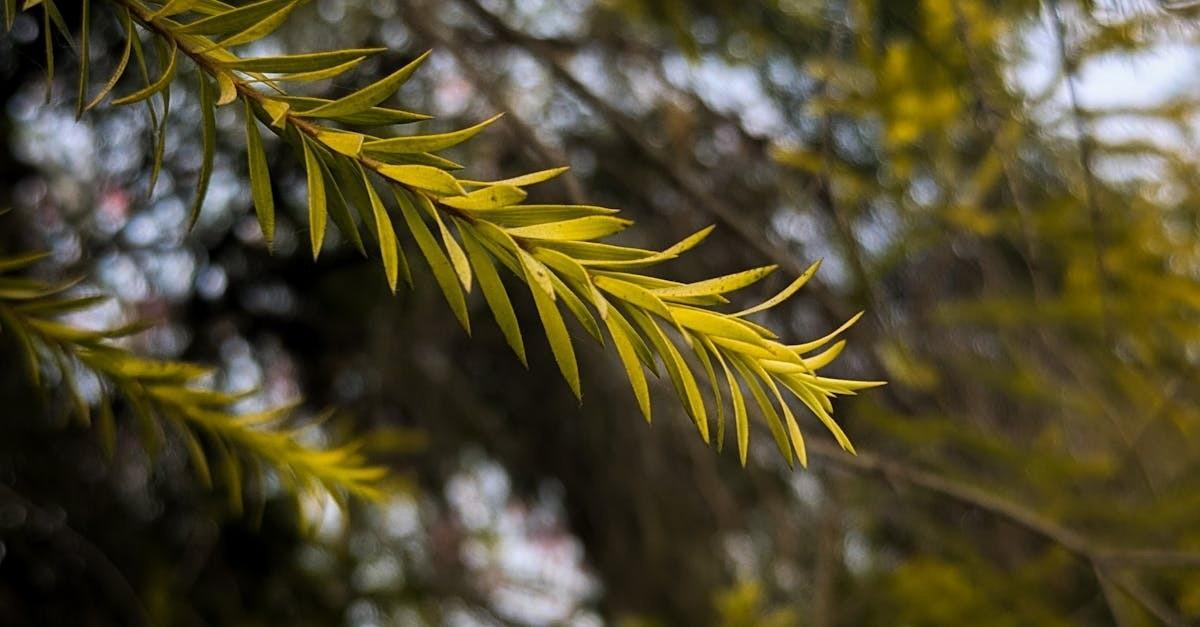
Are you tired of your plants acting like divas and demanding chemical cocktails? We’ve all been there. Welcome to the world of organic gardening solutions, where we keep our plants happy without the drama. Let’s embark on this green journey together, exploring how to cultivate a thriving garden while being kind to Mother Earth. Ready to dig in?
Organic gardening has so much to offer, and we can’t help but get excited about it. For starters, it promotes healthier soil, which means healthier plants. Without synthetic pesticides and fertilizers, we encourage a natural ecosystem in our gardens. By opting for organic methods, we also reduce the risk of chemical runoff that can pollute our waterways. Plus, let’s not forget the peace of mind that comes from growing chemical-free produce. It’s like giving our families a big hug with every bite they take. And let’s be honest, who wouldn’t want a garden bursting with flavor and nutrients? In a world craving sustainability, organic gardening stands out as a beacon of hope and responsibility.
When it comes to organic gardening solutions, the foundation of any successful garden is the soil we choose. We want rich, fertile, and well-aerated soil. Think of it as the cozy bed our plants will rest in. To get started, we recommend using organic compost, which enriches the soil with nutrients and improves its structure. If you’re feeling adventurous, adding worm castings can take your garden to the next level. They’re like nature’s little gold nuggets. Remember, not all soil amendments are created equal: steer clear of synthetic options. We’re here for the organic goodness. Conducting a simple soil test will help us identify any deficiencies. This way, we can ensure our plants are great at gossiping with the soil instead of complaining.
Pests can feel like unwelcome party crashers, but fear not. We have natural pest control methods that make us the ultimate bouncers of our gardens. First up, let’s introduce beneficial insects. Ladybugs, lacewings, and parasitic wasps are like the Avengers for our plants, swooping in to save the day. They help keep pesky aphids and other nuisances at bay. We can also employ companion planting, think of it as planting buddies who deter pests. Marigolds repel nematodes, while basil keeps hornworms away. And if we need a little extra help, a homemade neem oil spray is a safe and effective way to discourage pests without turning our gardens into chemical wastelands.
Fertilizing our gardens doesn’t have to come with a laundry list of chemicals. We can opt for sustainable fertilizing techniques that enrich our soil naturally. Organic fertilizers like bone meal and fish emulsion work wonders and boost our plants’ growth. Don’t forget the power of compost tea. It’s like a spa day for our plants, giving them the nutrients they crave without any synthetic fuss. Regularly mulching around our plants not only retains moisture but also adds organic matter to the soil as it breaks down. Plus, it looks neat, bonus points for aesthetics.
In a world where water is becoming increasingly precious, we should carry out water conservation strategies in our gardens. Drip irrigation systems are fantastic for delivering water directly to the roots while minimizing waste. Rain barrels are a sustainable option, collecting precious stormwater that we can use to nourish our plants. Also, mulching helps retain soil moisture, so our plants don’t feel parched during the hotter months. We can also try planting drought-resistant species which are beautiful and help us conserve water. Our gardens will thank us while we conserve for the planet.
Engaging in seasonal planting and crop rotation practices is like playing a strategic game with our garden. Timing is everything. By planting according to the season, we can maximize our yields and keep our plants in their prime. We can consider rotating our crops each year to prevent soil depletion and reduce pest build-up. For instance, following nitrogen-fixing legumes with heavy feeders can give the soil nutrients it needs. Our gardens will flourish not just seasonally but also thrive year after year.