Phone:
(701)814-6992
Physical address:
6296 Donnelly Plaza
Ratkeville, Bahamas.

Phone:
(701)814-6992
Physical address:
6296 Donnelly Plaza
Ratkeville, Bahamas.

Imagine a plant that’s the ultimate overachiever—never straying from its roots and always delivering exactly what it promises. That’s the magic of true breeding plants. These botanical wonders consistently produce offspring with the same traits as their parents, making them the reliable choice for gardeners and breeders alike.
True breeding plants are botanical specimens that consistently yield offspring with identical traits to their parents. These plants play a crucial role for gardeners and breeders aiming for uniformity in their crops.
A true breeding plant refers to a plant that, when self-pollinated or cross-pollinated with a like variety, produces offspring that inherit the same traits consistently. Examples include specific varieties of peas or corn, where the genetic makeup remains stable through generations. These plants exhibit homozygosity, meaning both alleles for a trait are identical, ensuring continuous trait expression.
True breeding plants possess several defining characteristics. They typically showcase uniform traits, such as flower color, height, and seed shape across generations. Genetic makeup remains stable, which allows predictability in offspring characteristics. These plants often represent specific homozygous genotypes, maintaining clarity in breeding programs. Additionally, true breeders support the foundation for agricultural practices, enhancing crop reliability and performance.
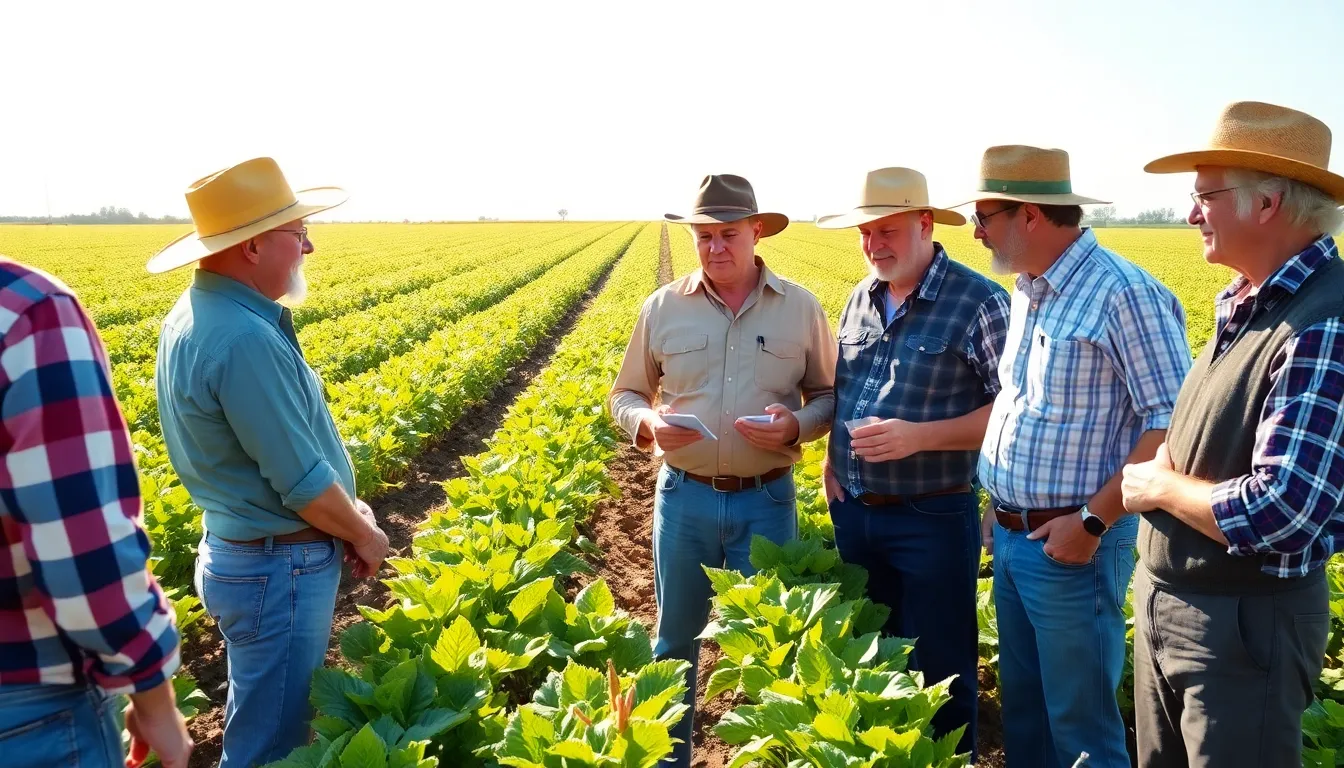
True breeding plants hold significant value in agriculture and plant breeding due to their reliability and consistency. Their ability to produce uniform offspring supports growers and breeders in maintaining desired traits across generations.
True breeding plants enhance agricultural productivity. Their stable genetic makeup leads to crops that exhibit consistent characteristics like yield and disease resistance. Farmers benefit from planting true breeding varieties as they ensure uniformity in harvest quality. Specific traits such as drought tolerance or disease resistance become predictable fixtures, making crop management easier. In a world focused on food security, utilizing these plants allows for strategic advancements in sustainable farming practices.
True breeding plants serve as foundational elements in breeding programs. They provide a reliable source of desired traits, allowing breeders to create superior hybrid varieties. By using true breeding parents, breeders can predict how offspring will perform in different environments. This strategy reduces the uncertainty involved in hybrid plant development. The predictability of trait inheritance simplifies the breeding process, leading to improved varieties that meet market demands more effectively.
True breeding plants showcase a variety of examples that highlight their importance in cultivation.
Pea plants, particularly Mendel’s garden peas, represent a classic example of true breeding. These plants produce offspring consistently exhibiting traits such as flower color, seed shape, and plant height. Corn cultivars, including sweet corn, also fall into this category. Varieties like Golden Bantam have maintained their characteristics through generations, making them reliable for farmers. Tomato plants, especially heirloom varieties like Brandywine, produce uniform traits in fruit size and color. These examples illustrate the diversity within true breeding plants, which enables breeders to select specific traits for agricultural success.
Uniformity defines true breeding plants, as they consistently pass down identical traits to their offspring. Homozygosity is another unique characteristic, ensuring genetic stability across generations. Predictable growth patterns emerge from this genetic consistency, assisting farmers in maintaining crop quality. High disease resistance often manifests in true breeding varieties, thus enhancing agricultural resilience. Additionally, specific environmental adaptations may occur, enabling plants to flourish in particular climates. These traits contribute significantly to agricultural productivity and sustainability.
Identifying true breeding plants involves observing specific visual characteristics and conducting genetic testing. Both methods ensure the consistency of traits across generations.
True breeding plants display uniformity in traits such as leaf shape, flower color, and plant height. Consistency stands out across offspring, ensuring they resemble their parents closely. Observe generations of plants, noting that true breeding specimens yield descendants exhibiting the same characteristics. For instance, a true breeding pea plant might produce seeds that all manifest identical color and shape traits. This predictable appearance aids in distinguishing true breeding varieties from hybrids.
Genetic testing offers a definitive approach to identify true breeding plants. This method examines genetic material to confirm homozygosity, which indicates that alleles responsible for specific traits are identical. Laboratories can analyze samples to detect genetic markers linked to desired characteristics. Breeders often utilize molecular techniques, such as polymerase chain reaction (PCR), to verify that plants maintain a consistent genetic makeup. Individuals aiming for reliability in breeding programs benefit greatly from this process, as it eliminates uncertainty regarding trait inheritance.
True breeding plants are essential in the world of agriculture and horticulture. Their ability to produce consistent and reliable offspring makes them invaluable for breeders and gardeners alike. By ensuring uniform traits across generations, these plants contribute significantly to agricultural productivity and sustainability.
The predictability offered by true breeding plants simplifies the breeding process, allowing for the creation of superior hybrids that meet market demands. With their stable genetic makeup and high disease resistance, true breeding varieties not only enhance crop quality but also support food security. As the agricultural landscape continues to evolve, the role of true breeding plants remains crucial for future advancements and sustainable practices.