Phone:
(701)814-6992
Physical address:
6296 Donnelly Plaza
Ratkeville, Bahamas.

Phone:
(701)814-6992
Physical address:
6296 Donnelly Plaza
Ratkeville, Bahamas.
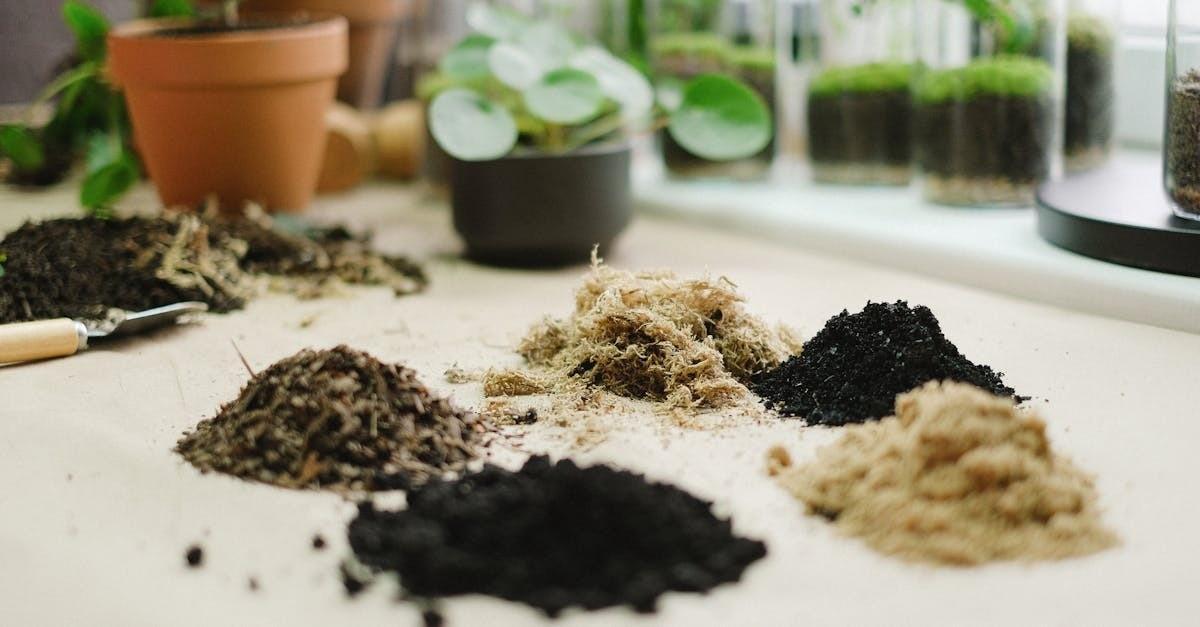
Ready to ditch those store-bought veggies? If you’re like us, you crave the taste of garden-fresh produce without the nasty chemicals. Organic gardening isn’t just a trend: it’s a lifestyle that brings us close to nature while keeping our food pure. In this guide, we’ll dig into some invaluable organic gardening tips that will transform our backyards into thriving green havens. Just grab your trowel and let’s get started.
Organic gardening is more than just a method: it’s a philosophy. We focus on nurturing the environment while growing our food. At its core, organic gardening emphasizes sustainability and biodiversity. Rather than relying on synthetic fertilizers and pesticides, we turn to natural composts and integrated pest management strategies. This approach not only helps us produce healthier plants, but it also maintains the integrity of our ecosystems. Understanding the principles of organic gardening empowers us to cultivate a rich, vibrant garden that thrives alongside nature.
We all know that organic gardening offers a plethora of benefits. For starters, let’s talk about health. By growing our food organically, we significantly reduce our exposure to harmful chemicals. Imagine biting into a juicy tomato picked straight from our garden, knowing it’s completely free of pesticides. Next, we cannot overlook the positive environmental impact. Organic gardening supports soil health, reduces pollution, and enhances biodiversity. Plus, there’s something incredibly satisfying about getting our hands dirty in the soil and nurturing life from seed to harvest. It’s almost like therapy, isn’t it?
The foundation of any thriving garden is healthy soil. We should focus on enriching it with organic matter. This means composting kitchen scraps, using green manures, and mulching. Healthy soil fosters beneficial microorganisms that break down nutrients, making them accessible to our plants.
Another essential technique is companion planting. Choosing complementary plants can help deter pests and improve crop yields. For instance, planting marigolds among our veggies can repel harmful insects, while legumes fix nitrogen in the soil, benefiting neighboring plants. It’s like a neighborhood watch, but for our gardens.
Pests are a gardener’s worst nightmare, but fear not. We can manage them effectively without toxic chemicals. First, scouting our plants regularly allows us to catch problems early. We can also use natural deterrents, such as neem oil or insecticidal soap, to keep those pesky bugs at bay. Also, introducing beneficial insects, like ladybugs and lacewings, can create a natural balance in our garden. It’s all about working with nature rather than against it.
We’ve all been there, standing in a garden center unsure of what tools to buy. Fear not. For organic gardening, we suggest starting with a few essential tools: a quality trowel, a sturdy hand pruner, and a compost bin. Investing in good-quality tools makes our gardening efforts more enjoyable and effective. As for resources, local gardening clubs or online forums can be great support systems. Books and workshops on organic gardening can deepen our knowledge and expand our skill set.